
How Does Hypnotherapy Work for IBS? A Look Inside a Session
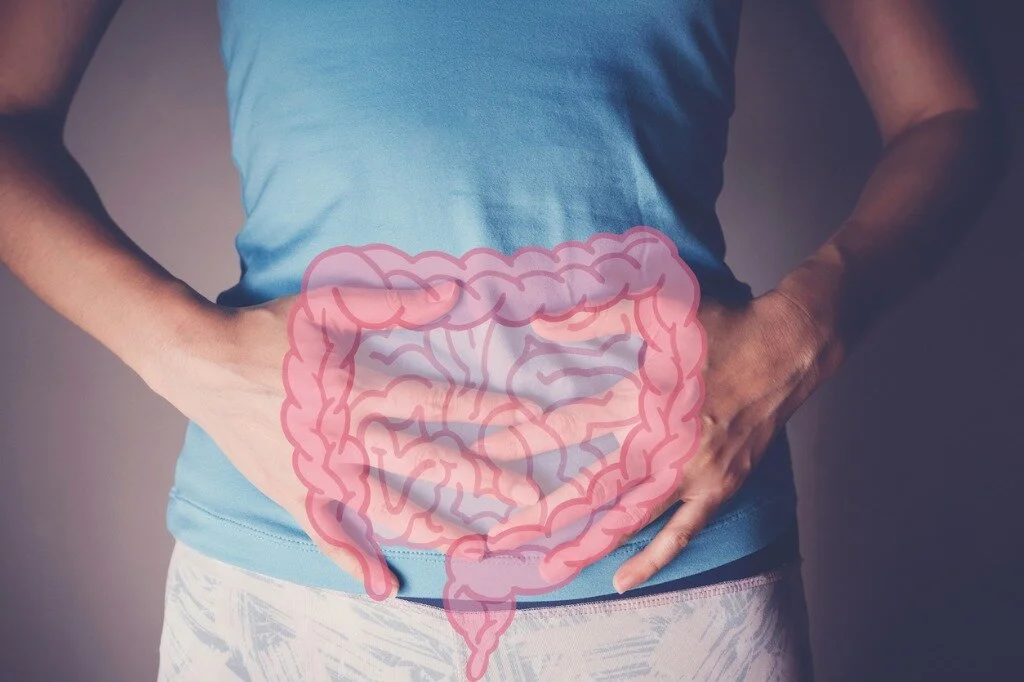
“Hypnotherapy for a stomach problem” sounds like an odd combination until you understand what's actually happening in the gut, and why the brain plays such a direct role in it. Here's a real look at what a gut-directed hypnotherapy session involves, and why each part exists.
If you haven't already, it's worth reading ‘‘Does Hypnotherapy Help IBS? What the Research Actually Shows’ for the evidence behind why this approach works — this post picks up from there to explain the mechanics.
Why the Gut and Brain Are More Connected Than You'd Think
The gut has its own extensive nervous system, sometimes described as a “second brain,” and it communicates constantly with the brain in both directions via the gut-brain axis. In IBS and related conditions, this communication becomes miscalibrated — the gut becomes hypersensitive, so certain normal digestive sensations (such as gas moving through the bowel, the stretch after a meal) get processed as pain, urgency or alarm. Chronic stress and anxiety make this worse, creating a loop where gut and brain keep escalating each other turning into a self-perpetuating cycle.
Gut-directed hypnotherapy doesn't try to override this with willpower or distraction. It works directly on the gut-brain axis itself, retraining how the two communicate.

Step 1: Understanding Your Specific Pattern
Before any hypnosis happens, a proper gut-directed hypnotherapy program starts with a full assessment: your specific symptoms, when they flare, your history, and your goals. Education about the gut-brain axis is part of this stage too — understanding why this approach makes sense for a physical gut problem meaningfully improves how well it works.
Step 2: Relaxation and Focus
Sessions typically begin with diaphragmatic breathing and progressive relaxation, shifting attention away from external distractions and into a calm, internally focused state. This isn't about “going under” or losing control — it's closer to the kind of deep focus you experience when completely absorbed in something, like driving a car, or reading a book, just deliberately directed toward the body.
Step 3: Deepening the Relaxed State
Once that focus is established, further calming imagery and physical anchors - like a hand resting on the abdomen - help stabilise the relaxed state, supporting physical changes such as slower breathing and reduced muscle tension.
Step 4: Gut-Specific Imagery and Suggestion
This is the core of gut-directed hypnotherapy, and what makes it fundamentally different from general relaxation. Suggestions and imagery are tailored to your specific symptoms - picturing a calm, steadily flowing river to help regulate bowel motility, a soothing warmth spreading through the abdomen to ease pain, or imagining a protective, healing sensation moving through the digestive tract. The exact imagery is personalised to what feels meaningful to you and to the symptom pattern you actually have, not delivered from a single generic script.

Step 5: Building Confidence, Not Just Calm
Alongside the gut-specific work, sessions typically include suggestions aimed at rebuilding your underlying trust in your body - countering the years of anticipatory anxiety that often build up around eating, travelling, or being away from a bathroom.
Step 6: Carrying It Beyond the Session
Before finishing, most sessions link the calm state you've reached to cues you'll encounter in daily life, so the benefit doesn't stay locked inside the appointment. You're then gently brought back to full alertness.

Step 7: Practice Between Sessions
The research is consistent on this point: daily home practice, using a recording for self-guided practice between appointments, is a core part of what makes the treatment work — not an optional extra.
How Long Does It Take?
Most structured programs run over roughly six weeks, with many people noticing meaningful change within four to six sessions.
Why This Combines Well With Nutrition
Because IBS is rarely one thing alone, addressing gut-specific imagery and nervous system regulation alongside dietary triggers, nutrient deficiencies or gut microbiome imbalances tends to produce more complete results than either approach alone — which is why I bring both a nutrition and hypnotherapy background to this work rather than treating them as separate problems.
If you'd like to know whether this approach fits your specific situation, book a free 15-minute discovery call.
Sessions are available via zoom anywhere in Australia, or in person in Penrith, Western Sydney and the Blue Mountains.
References
Häuser, W. (2024). Gut-directed hypnosis and hypnotherapy for irritable bowel syndrome: a mini-review. Frontiers in Psychology. https://pubmed.ncbi.nlm.nih.gov/38887623/
Peters, S.L., Yao, C.K., Philpott, H., et al. (2016). Randomised clinical trial: the efficacy of gut-directed hypnotherapy is similar to that of the low FODMAP diet for the treatment of irritable bowel syndrome. Alimentary Pharmacology & Therapeutics. https://pubmed.ncbi.nlm.nih.gov/27397586/
Whorwell PJ, Prior A, Faragher EB. Controlled trial of hypnotherapy in the treatment of severe refractory irritable-bowel syndrome. Lancet. 1984 Dec 1;2(8414):1232-4. doi: 10.1016/s0140-6736(84)92793-4. PMID: 6150275.
Book your free discovery call
Tammy Footit is a Certified Practising Nutritionist and Clinical Hypnotherapist based in Penrith, Western Sydney. She holds a Bachelor of Health Science in Nutrition and Dietetic Medicine and specialises in functional gut health, IBS, SIBO testing and gut microbiome restoration. All testing is ordered and reviewed as part of a comprehensive clinical consultation.