
Do You Need Gut Testing? SIBO Breath Testing and Gut Microbiome Analysis Explained
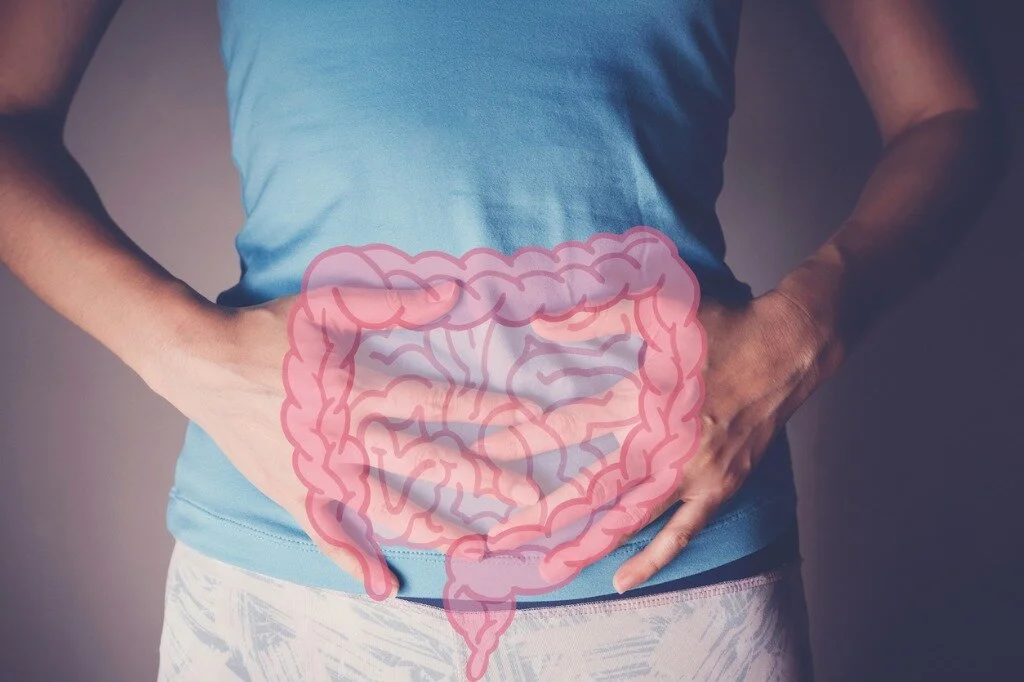
You've had the colonoscopy. Maybe the endoscopy too. The results came back normal. And yet you're still bloated, still in pain, still running to the bathroom at the worst moments — or not going at all for days. Your doctor has given you a diagnosis of IBS and handed you a low FODMAP diet sheet.
But nothing has actually changed.
If that sounds familiar, here's what I want you to understand: a colonoscopy and endoscopy look at the structure of your gut. They check for inflammation, polyps, cancer and visible damage. What they don't assess is the function of your gut, the composition of your gut bacteria, or whether there's a bacterial overgrowth in your small intestine quietly driving every symptom you're experiencing.
Standard investigations are important — and normal results are genuinely reassuring. But they don't tell the whole story. And for the significant number of people who continue to suffer despite a clear colonoscopy, functional gut testing is often where the real answers are found.
How Does It Start? Understanding the Triggers
Gut dysfunction rarely comes from nowhere. In my clinic I always explore what was happening when symptoms first began — because understanding the trigger helps us understand the mechanism and guides the most appropriate testing and treatment.
The most common triggers I see are:
Post-infectious gut dysfunction — a bout of gastroenteritis, food poisoning, Bali belly or traveller's diarrhoea that seemed to resolve at the time, but the gut has never quite been the same since. Post-infectious IBS is a well-recognised clinical condition in which the infection disrupts the gut microbiome and alters gut motility and sensitivity — sometimes permanently, unless the underlying imbalance is identified and addressed.
Antibiotic use — antibiotics are sometimes necessary and life-saving. But they are indiscriminate — they kill the bacteria causing the infection and the beneficial bacteria that keep your gut balanced. Without deliberate microbiome restoration after a course of antibiotics, dysbiosis can develop and persist for months or years.
Trauma and extreme stress — this is one of the most underappreciated triggers for gut dysfunction. The gut and brain are in constant two-way communication through the gut-brain axis. A traumatic event, a period of extreme psychological distress, or a significant loss can change gut function from that moment — altering motility, increasing visceral sensitivity, disrupting the microbiome and triggering IBS-type symptoms that persist long after the acute stress has passed. In these cases addressing the nervous system alongside the gut is essential — and this is where combining hypnotherapy with functional gut testing becomes particularly powerful.
Dietary history — years of a low fibre diet, chronic restrictive eating, high sugar or ultra-processed food intake, or repeated elimination diets can all gradually deplete microbial diversity and create the conditions for dysbiosis and SIBO to develop.
Hormonal changes — perimenopause, pregnancy, thyroid dysfunction and other hormonal shifts can significantly alter gut motility and microbiome composition, triggering symptoms in people who previously had no gut issues at all.

How Testing Works at Riverside Holistic Health
Before recommending any testing I complete a thorough assessment — taking a detailed history of your symptoms, diet, lifestyle, stress levels, bowel habits, medication history and any previous gut investigations including colonoscopy and endoscopy results.
From there I'm guided by your individual symptom picture as to which test or combination of tests is most appropriate. There is no one-size-fits-all approach — the right test depends on when your symptoms started, what triggers them, what your bowel habits look like and what previous investigations have and haven't found.
Once we've decided on the right testing for you, I order the kit directly and it is sent to your home for collection. You complete the collection in your own time following the kit instructions, then return it to the laboratory. Results come directly to me, and from there I review them comprehensively and develop an individualised treatment plan based on the specific findings.
This is not a generic report with generic recommendations. Every treatment plan is built around what your results actually show.
SIBO — Small Intestinal Bacterial Overgrowth
What is SIBO?
SIBO occurs when bacteria that normally live in the large intestine migrate into and colonise the small intestine — where they don't belong. The small intestine is designed primarily for nutrient absorption, not fermentation. When bacteria are present there in excess, they ferment the food passing through — producing gases that cause the characteristic and often debilitating symptoms of SIBO.
Symptoms of SIBO include:
Bloating — particularly after meals or building throughout the day
Excessive gas and flatulence
Abdominal pain or cramping
Constipation, diarrhoea or alternating between both
Nausea and reflux
Food intolerances that are worsening or multiplying
Nutritional deficiencies despite eating well — particularly B12, iron and fat soluble vitamins
Fatigue and brain fog, particularly after eating
Anxiety and mood disturbance — the gases produced by bacterial fermentation travel through the gut-brain axis and can directly affect neurotransmitter function and nervous system reactivity
The SIBO Breath Test — How It Works
The SIBO breath test is a simple, non-invasive test completed entirely at home. After a preparation diet the evening before, you drink a substrate solution — either lactulose or glucose depending on your symptom picture — and then collect breath samples at regular intervals over two to three hours.
The breath samples measure specific gases produced by bacterial fermentation in the small intestine. This is important — because different types of SIBO produce different gases, and each type responds to different treatment protocols. The breath test identifies which type of SIBO is present:
Hydrogen SIBO — the most common type, caused by hydrogen-producing bacteria in the small intestine. Characterised primarily by diarrhoea, loose stools and urgency. Identified by elevated hydrogen levels on the breath test.
Methane SIBO (Intestinal Methanogen Overgrowth) — caused by methane-producing archaea rather than bacteria. Characterised primarily by constipation, sluggish motility and significant bloating. Identified by elevated methane levels. Requires a different treatment approach to hydrogen SIBO.
Mixed SIBO (Hydrogen and Methane) — both hydrogen and methane are elevated, producing a mixed symptom picture of both constipation and diarrhoea — the classic IBS-M presentation. Requires a combined treatment protocol addressing both types simultaneously.
Hydrogen Sulphide SIBO — the most recently identified type, produced by hydrogen sulphide-generating bacteria. Associated with the characteristic "rotten egg" smell of flatulence, diarrhoea, fatigue and a specific flat line pattern on the breath test. Often missed on older testing panels. Requires specific targeted treatment.
Identifying which type — or combination of types — is present is essential for effective treatment. This is precisely why breath testing matters. Treating hydrogen SIBO with a methane protocol, or vice versa, produces poor results and is one of the most common reasons SIBO treatment fails.
What happens after a positive SIBO test?
Treatment is entirely personalised to your result and symptom picture — typically involving specific dietary modifications, targeted antimicrobial herbal compounds, prokinetic support to improve gut motility and prevent recurrence, and a carefully timed microbiome restoration protocol once the overgrowth has been cleared.

Gut Microbiome Analysis — DNA-Based Stool Testing
What is gut microbiome testing?
Advanced gut microbiome analysis is a DNA-based stool test that evaluates the full ecosystem of microorganisms living in your digestive tract — including bacteria, fungi, archaea and other microorganisms — using a technology called metagenomic DNA sequencing.
Unlike standard stool tests which culture a limited number of bacterial species, DNA sequencing reads the genetic material of every microorganism present in your sample — giving a comprehensive, precise picture of your entire gut ecosystem that standard testing simply cannot provide.
I use Microba's advanced gut microbiome analysis — one of the most comprehensive gut microbiome tests available in Australia — which provides detailed species-level identification and functional pathway analysis alongside the microbial mapping.
What does it measure?
Microbial diversity — the breadth and richness of your gut ecosystem. Low diversity is consistently associated with IBS, chronic inflammation, immune dysfunction, obesity and poor mental health
Beneficial bacteria levels — the short chain fatty acid producers, the anti-inflammatory strains, the bacteria that maintain gut lining integrity and support serotonin production
Potentially harmful overgrowths — specific bacteria or parasites associated with gut inflammation, immune activation, leaky gut and systemic symptoms
Fungi and other microorganisms — including candida and other fungal species that can contribute to gut dysfunction
Functional pathways — what your microbiome is actually doing biochemically, not just which species are present. This includes pathways involved in inflammation, neurotransmitter production, short chain fatty acid synthesis and immune regulation
Who benefits from gut microbiome testing?
This test is particularly valuable for clients with:
IBS, bloating, constipation or diarrhoea that hasn't resolved with standard dietary changes
Autoimmune disease and Chronic Inflammation
Inflammatory Bowel Disease and Diverticulitis.
Mood disorders, anxiety or depression with a suspected gut component
Skin conditions such as eczema, psoriasis or acne
Chronic fatigue or immune dysfunction
Food intolerances that are worsening or multiplying
Post-infectious gut symptoms that have never fully resolved
A desire to understand and optimise gut health proactively
What happens after gut microbiome testing?
Results are reviewed comprehensively and used to guide a personalised gut restoration protocol — specific prebiotic foods to feed beneficial bacteria, targeted probiotic strains based on what's actually deficient in your specific ecosystem, dietary modifications to reduce inflammation and support microbial diversity, and therapeutic foods and supplements where indicated.
Rather than recommending a generic probiotic and hoping for the best, microbiome testing allows us to be precise — giving your gut exactly what it needs based on what is actually there.
SIBO Testing vs Gut Microbiome Testing — Which Do You Need?
The two tests are complementary rather than interchangeable — they measure different things and serve different purposes. I will often start with a SIBO test and then if I feel more work is need lower down in the colon we will then test Microbiome. Other times there may be health conditions that indicate Stool testing as a necessity.
SIBO breath testing is specifically for identifying bacterial overgrowth in the small intestine. If your primary symptoms are significant bloating after meals, gas, alternating bowel habits and food intolerances — particularly if symptoms worsened after a gut infection, antibiotic use or a stressful period — SIBO testing is the appropriate starting point.
Gut microbiome analysis maps the entire large intestinal ecosystem. If your symptoms are more chronic and complex, if you have mood disturbance alongside gut symptoms, if you've treated SIBO but symptoms persist, or if you want a comprehensive picture of your gut health — microbiome testing is the most appropriate test.
For some clients I recommend both — SIBO testing first to identify and address any small intestinal overgrowth, then gut microbiome analysis to assess the large intestinal environment and guide ongoing restoration. Together they give a complete and precise picture of what's happening throughout the entire gut.

The Gut-Brain Connection — Why Hypnotherapy Is Part of the Picturet
For clients whose gut dysfunction began after trauma, extreme stress or a significant life event — or for those whose symptoms are strongly influenced by stress, anxiety and emotional state — functional gut testing tells us what's happening in the gut biochemically. But it doesn't address what's happening in the nervous system.
The gut cannot fully heal when the nervous system is stuck in chronic stress and dysregulation. Gut motility, digestive enzyme production, gut lining integrity and microbiome composition are all directly affected by the state of the nervous system.
This is why in my clinic I often combine functional gut testing and nutritional treatment with gut-directed hypnotherapy — addressing the biochemical and the neurological drivers simultaneously for faster, deeper and more lasting results.
Ready to Find Out What's Actually Going On?
If you've been told everything looks normal but you still don't feel well — functional gut testing may be exactly what's been missing.
Testing is ordered through me as part of a comprehensive consultation. Results are reviewed personally and used to build a treatment plan tailored entirely to your individual findings.
The first step is a free 15 minute discovery call — no pressure, no commitment, just a conversation about what's going on and whether testing is the right next step for you.
Book your free discovery call
Tammy Footit is a Certified Practising Nutritionist and Clinical Hypnotherapist based in Penrith, Western Sydney. She holds a Bachelor of Health Science in Nutrition and Dietetic Medicine and specialises in functional gut health, IBS, SIBO testing and gut microbiome restoration. All testing is ordered and reviewed as part of a comprehensive clinical consultation.