
Why Is My Gut Always Bloated? The Real Reasons Nobody's Told You
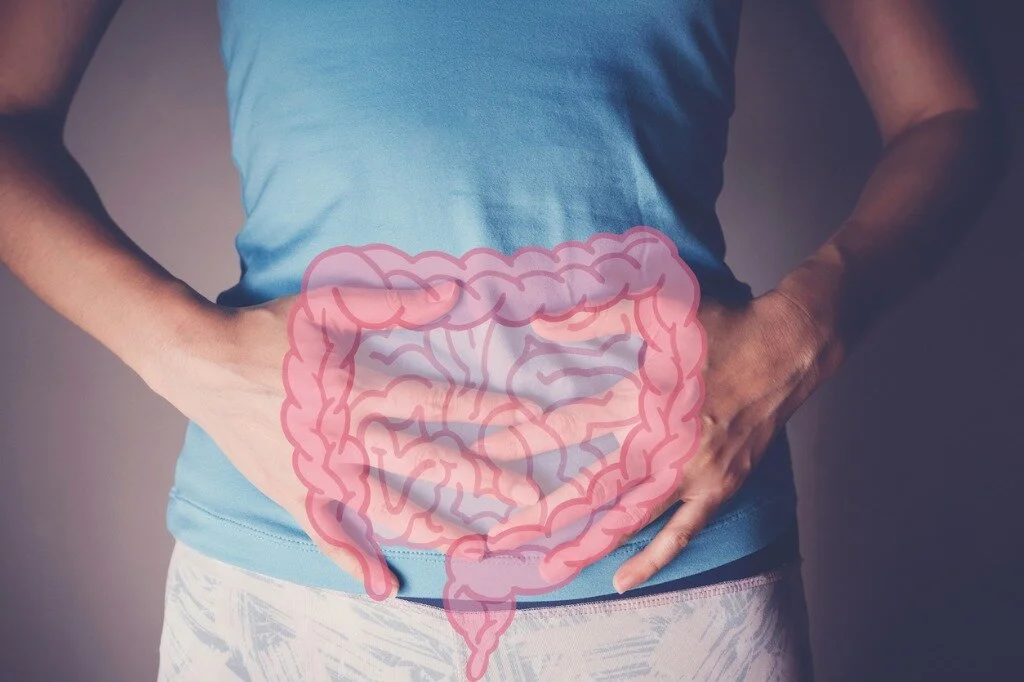
If your gut is constantly bloated — regardless of what you eat, how much you exercise, or how carefully you try to manage your diet — there’s almost certainly more going on than just food choices.
Persistent bloating is one of the most common and frustrating symptoms of IBS and gut-brain dysfunction. And yet most people are handed a list of foods to avoid and sent on their way — without anyone actually explaining why their gut is reacting the way it is.
Understanding the real drivers of bloating is the first step to actually fixing it. Here’s what the science says — and what I look at when working with clients who can’t seem to get on top of their gut symptoms.
First — what is actually happening when you bloat?
Bloating isn’t just about gas or water retention. It’s your gut’s response to something being out of balance — whether that’s the wrong bacteria in the wrong place, an overreactive nervous system, food that’s fermenting where it shouldn’t be, or a gut-brain communication system that’s misfiring.
For many people, bloating is a key symptom of Irritable Bowel Syndrome (IBS) — now formally classified as a Disorder of Gut-Brain Interaction (DGBI). This is important because it means IBS and chronic bloating aren’t just digestive problems. They’re also nervous system problems. And that changes how we treat them.
IBS is real. Bloating is real. And — most importantly — there are real, evidence-based strategies to address it.
The Four Pillars Behind Chronic Bloating
Research consistently shows that IBS and chronic bloating rest on four main drivers. Most people have a combination of all four — which is why a one-size-fits-all approach rarely works.
1. Genetics & Gut Sensitivity
Some people are simply born with a more reactive gut. Family history, early life exposures — including how you were born, whether you were breastfed, and antibiotic use in childhood — can all influence how sensitive your digestive system becomes.
If you’ve always had a sensitive stomach, or if gut issues run in your family, this may be part of your picture. The good news is that even a genetically sensitive gut can be significantly calmed with the right support.
2. Dysbiosis — When Your Gut Bacteria Are Out of Balance
This is one of the most common and most overlooked drivers of bloating. Dysbiosis means the balance of bacteria in your gut has been disrupted — and when the wrong bacteria are present in the wrong amounts, fermentation, gas production, and bloating follow.
Dysbiosis often starts after a clear trigger — a bout of gastro, Bali belly, food poisoning, or a course of antibiotics. But it can also develop more gradually after a period of stress, a significant dietary change (going vegan or keto, for example), or a major life event like illness, grief, or surgery.
For others, the microbiome has simply never fully recovered from an earlier disruption — and the gut is still paying the price years later.
What I do: Assess signs and symptoms of dysbiosis, identify likely triggers, and use targeted nutrition, prebiotic and probiotic protocols to restore bacterial balance. In some cases I also look for SIBO (Small Intestinal Bacterial Overgrowth) — a specific form of dysbiosis that is a very common but frequently missed cause of chronic bloating.
3. The Gut-Brain Connection — When Signals Get Mixed
This is where so many people get stuck — because nobody has explained to them that their bloating isn’t just a digestive problem. It’s also a nervous system problem.
Your gut and brain are in constant two-way communication via the vagus nerve and the enteric nervous system. In a healthy gut, these signals are well regulated. In IBS and chronic bloating, the communication breaks down:
The brain interprets normal gut activity as pain, urgency, or discomfort
Stress and anxiety send ‘alert’ signals to the gut, speeding things up or slowing them down
Bloating and discomfort send distress signals back to the brain, increasing anxiety
Anxiety makes the gut more reactive, which worsens bloating — which worsens anxiety
This vicious cycle is why stress management and ‘just relaxing’ alone don’t fix it — the nervous system dysregulation runs deeper than conscious awareness can reach.
This is exactly where gut-directed hypnotherapy is clinically proven to help. By working directly with the subconscious nervous system, hypnotherapy can interrupt this cycle, calm the gut-brain communication pathway, and reduce the hypersensitivity that drives bloating and pain.
What I do: Use gut-directed hypnotherapy — a specific, evidence-based hypnotherapy protocol developed for IBS — to retrain the gut-brain communication pathway, reduce visceral hypersensitivity, and break the anxiety-bloating cycle. This approach has strong clinical evidence behind it and is now recommended by several international gastroenterology bodies as a first-line treatment for IBS.
4. Food Triggers & Sensitivities
Yes, food absolutely plays a role in bloating — but it’s rarely the whole story. For some people, specific foods act as powerful triggers. For others, years of gut reactivity have led to unnecessary food restriction, a fearful relationship with eating, or even disordered eating patterns.
Common dietary drivers of bloating include high-FODMAP foods, gluten sensitivity, dairy intolerance, and foods that feed problematic bacteria. But identifying your specific triggers requires a personalised approach — not a generic elimination diet that has you cutting out half the food supply indefinitely.
What I do: Use a structured, evidence-based approach to identify your specific food triggers without creating unnecessary fear around food. I also assess for underlying sensitivities and intolerances that may be driving inflammation and gut reactivity, and work to restore dietary diversity as gut health improves.
Why ‘Eat More Fibre and Reduce Stress’ Isn’t Enough
If chronic bloating could be fixed by adding psyllium husk and doing some yoga, none of us would still be dealing with it.
Generic advice fails because it doesn’t address the individual combination of drivers behind your specific gut symptoms. Your bloating may be primarily driven by SIBO. Or by a nervous system stuck in fight-or-flight. Or by a dysbiotic microbiome that has never recovered from a course of antibiotics five years ago. Or — most commonly — by all of the above.
Effective treatment needs to match the cause. That’s why my approach combines nutritional biochemistry and gut-directed hypnotherapy — addressing the physical drivers and the nervous system drivers simultaneously.
Treating Bloating at Every Level
When we work together to address chronic bloating and IBS, I look at the full picture:
Detailed health history to identify likely triggers, timeline, and driving factors
Nutritional assessment and blood work to identify deficiencies, food sensitivities, and gut health markers
A personalised nutrition plan to reduce inflammation, restore bacterial balance, and identify food triggers without unnecessary restriction
Gut-directed hypnotherapy to calm the gut-brain axis, reduce visceral hypersensitivity, and break the anxiety-bloating cycle
Targeted supplementation where appropriate — specific strains of probiotics, gut-healing nutrients, and anti-inflammatory support
The result is an approach that works at the physical level and the nervous system level at the same time — which is exactly what chronic bloating and IBS require.
You Don’t Have to Just Live With It
IBS and chronic bloating are real conditions with real, identifiable mechanisms. If you’ve been told ‘there’s nothing you can do’ or handed a FODMAP list and left to figure it out alone — there is so much more available to you.
I work with clients online across Australia and in person in Penrith, NSW. If you’re ready to finally get to the bottom of your gut symptoms, book a free introductory call and let’s talk about what’s actually driving your bloating.