
Why Ozempic, Wegovy or Mounjaro Isn't Working For You — And What To Do About It
GLP-1 medications like semaglutide (Ozempic, Wegovy) and tirzepatide (Mounjaro) have changed the conversation around weight loss. But for a significant number of people, the results don't match the expectation — the weight isn't shifting, the side effects are significant, or progress has plateaued.
As a nutritionist and clinical hypnotherapist in Penrith, I work with clients on and coming off these medications every week. Here are the eleven most common reasons they're not working — and what to do about each one."
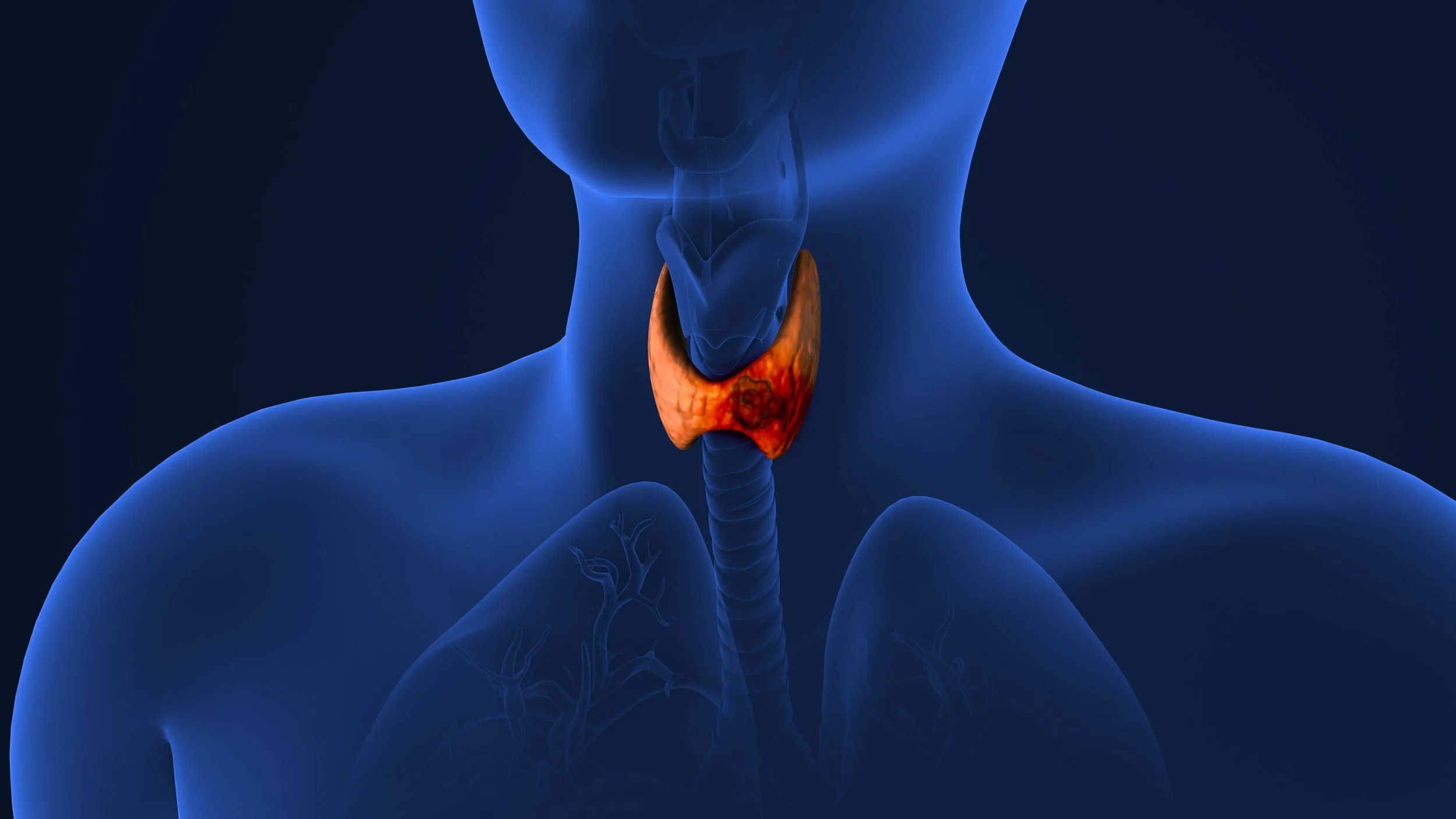
1. Underlying Medical Condition - Thyroid Dysfunction
Your thyroid is the powerhouse of your metabolism, and if it’s not functioning optimally, it can interfere with weight loss and energy levels. Hypothyroidism, Hashimoto’s thyroiditis, or other thyroid imbalances might be counteracting the benefits of your GLP-1 medication.
Tip: Have your thyroid function thoroughly assessed, including TSH, Free T3, Free T4, and thyroid antibodies. Then supporting your thyroid function holistically with the right supplementation or medication if needed.
Keep in mind that medicare will only cover a TSH which has a broad reference range useful for diagnosing auto-immune conditions, but not necessarily sub-optimal thyroid function.
2.Your Mindset Matters
Beliefs like "Nothing ever works for me" or "I’ll never lose weight" can create self-sabotaging patterns that limit your progress. Negative self-talk can lead to stress eating or resistance to making sustainable changes.
Stress and Anxiety can drive cravings. The subconscious mind develops coping strategies to deal with stress and this is normal. Remember that you have 5 senses, taste, smell, sight, sound, tough. Your subconscious mind has a program set up that uses food as a coping mechanism. It derives pleasure or comfort from food. We can use hypnotherapy to rewire this pattern and find other more suitable avenues to relieve stress with your other senses.
You can read more about hypnotherapy for weight loss in my blog post ‘Hypnotherapy for Weight loss’ or on this page ‘Hypnotherapy for Binge Eating’ and even this page ‘Hypnotherapy for Anxiety’.

3. Gut Health Issues
A healthy gut is foundational to achieving optimal health. Dysbiosis, IBS, or gut inflammation can impair nutrient absorption, create systemic inflammation, and disrupt how your body responds to GLP-1 medications. You can read more about gut health ‘Can Anxiety Cause IBS’ or on this page ‘Gut-Directed Hypnotherapy’
4. Not Eating Enough!
Ironically, eating too little can signal your body to hold onto fat as a survival mechanism. Chronic undereating slows metabolism and reduces energy levels, which can hinder weight loss even when using GLP-1 medications.
Tip: Ensure you’re eating enough nutrient-dense foods. Include plenty of protein, healthy fats, and complex carbohydrates to fuel your body and support metabolism. The reason why my clients who use these medications while doing the weight loss coaching program - Metabolic Balance, get such great results is due to the optimised nutrient intake ensuring no nutrient or protein deficiencies and further supporting blood sugar regulation.
5. High Stress and Cortisol Levels
Chronic stress leads to elevated cortisol, which can contribute to weight gain, particularly around the abdomen, and impair blood sugar regulation. High cortisol can also disrupt sleep and increase cravings for sugary, processed foods.
Tip: Incorporate stress management practices like hypnotherapy, yoga, or deep breathing exercises. Certain supplements can also support your stress response such as Magnesium and B-vitamins but not all supplements are created equal. Ask me about more about this in person.
6. Sleep Quality
Sleep is a cornerstone of health and plays a critical role in weight management, metabolism, and overall well-being. Poor sleep disrupts hunger hormones like ghrelin and leptin, leading to increased appetite and cravings.
Tip: Aim for 7-9 hours of quality sleep each night. Establish a relaxing bedtime routine, limit screen time before bed, and create a dark, quiet sleeping environment.

7. Expectations or Wrong form of Measuring Progress
It’s important to set achievable goals and understand that healing and weight loss take time.
While it might seem like others are losing large amounts of weight quickly, it’s essential to focus on the quality of that weight loss.
”Rapid weight loss can often mean muscle loss rather than fat loss, which can harm your metabolism long-term”
Tip: Consider using tools like DEXA scans or BIA scales to assess your body composition, including muscle mass, bone density, and fat percentage. Losing 300 grams per week while preserving or building muscle is healthier than losing 1 kg per week if it’s primarily muscle. Muscle preservation ensures a strong metabolism and better long-term outcomes.
Inbetween your scans, use a good old fashioned tape measure around the waist!
8. Hydration and Water Intake
Staying adequately hydrated is essential for overall health and can significantly impact your weight loss journey. Dehydration can slow your metabolism, reduce energy levels, and even mimic feelings of hunger, leading to overeating.
Tip: Aim to drink at least 2-3 liters of water daily, depending on your activity level and body size. Adding electrolytes or consuming hydrating foods like cucumbers, watermelon, and leafy greens can further support hydration.
9. Exercise: Too Much or Not Enough
Exercise is a vital part of any weight management plan, but finding the right balance is key. Overtraining can lead to elevated cortisol levels, muscle breakdown, and fatigue, while insufficient activity may not provide enough stimulation for fat loss and muscle gain.
Tip: Focus on a balanced exercise routine that includes strength training to build muscle and boost metabolism, as well as moderate aerobic activities for cardiovascular health. Allow adequate rest and recovery to prevent overtraining.
10. Medication Timing and Adherence
For GLP-1 medications to work effectively, they need to be taken as prescribed. Missing doses or incorrect storage can reduce their benefits.
Tip: Stick to your prescribed schedule and store the medication according to your healthcare provider’s instructions.
11. Toxins and Environmental Stressors
Exposure to toxins, endocrine disruptors, and environmental stressors can affect your body’s ability to regulate weight and blood sugar. These disruptors may interfere with hormonal balance and metabolism.
Tip: Reduce your exposure to toxins by choosing organic foods, avoiding plastics, and supporting detox pathways with foods like cruciferous vegetables and adequate hydration.
Final Thoughts
From a holistic perspective, optimising your results with GLP-1 medications means addressing the whole person — thyroid, gut health, mindset, nutrition, stress and sleep all working together.
As both a qualified Nutritionist and Clinical Hypnotherapist I can support you with the physical and the psychological side of your weight loss journey — whether you're currently on medication, wanting to wean off, or looking for a natural alternative.
Learn more about GLP-1 and peptide support at Riverside Holistic Health
The first step is a free 15 minute discovery call — no pressure, no commitment.