
How Do I Keep Weight Off After Stopping Weight Loss Medication?
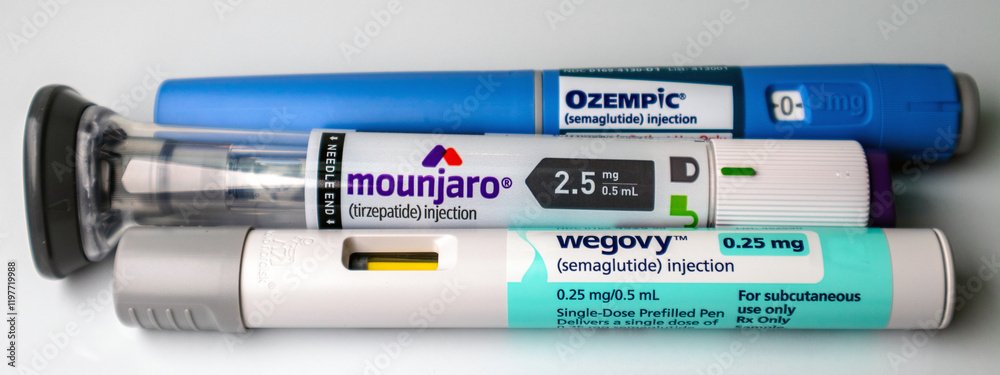
Peptide Weight Loss Injections
You’ve done the hard work. You’ve lost the weight on GLP-1 medication — and now comes the part nobody really prepares you for: keeping it off once the medication stops.
The research is confronting. Studies show the majority of people regain a significant portion of weight within 12 months of stopping GLP-1 medications without a supporting strategy. But this isn’t inevitable — and it’s not a personal failure. It’s a predictable biochemical response that, with the right approach, can absolutely be prevented.
This post covers what actually drives rebound weight gain, the practical nutritional strategies you can start implementing now, and when to consider getting more personalised support.
Why Does the Weight Come Back?
GLP-1 medications work primarily by suppressing appetite. When the medication stops, appetite returns — often strongly — and without a metabolic foundation in place, the body defaults back to its previous patterns.
But it’s more than just appetite. Rebound weight gain after GLP-1 medication is typically driven by a combination of factors:
Muscle loss during the weight loss phase slows metabolism, making it easier to regain fat even when eating the same amount
Nutrient deficiencies from reduced food intake impair thyroid function, hormonal balance, and energy metabolism
The underlying biochemical drivers of weight gain — insulin resistance, gut dysbiosis, inflammation, hormonal imbalances — were never fully addressed
Subconscious behavioural and emotional patterns around food return once appetite suppression is removed
No personalised metabolic strategy was in place to support the body independently
The medication suppressed the appetite. It didn’t reset the metabolism. That’s the piece that needs to be built — and the good news is, you can start building it right now.
What to Eat to Support Your Metabolism After Stopping
The nutritional foundation for keeping weight off after GLP-1 medication comes down to a few non-negotiable principles. These aren’t complicated — but they do need to be consistent.
1. Prioritise Protein at Every Single Meal
This is the most important thing you can do. GLP-1 medications frequently cause muscle loss alongside fat loss — and muscle is your metabolic engine. Less muscle means a slower metabolism, which makes weight regain far more likely.
Rebuilding and protecting muscle mass requires consistent, adequate protein. Aim for a minimum of 25–30g of protein at each meal — not just once a day, but spread across every meal. High quality sources include:
Eggs, chicken, turkey, lean red meat, and fish
Greek yoghurt, cottage cheese, and quality dairy
Legumes, tofu, tempeh, and edamame for plant-based options
Protein-rich whole grains like quinoa
Protein also stimulates natural GLP-1 secretion in the gut — meaning it helps your body replicate some of the appetite-regulating effects of the medication naturally. Use a tracking app like Cronometer or MyFitnessPal initially to get a feel for what 25–30g actually looks like on your plate.
2. Build Your Meals Around Anti-Inflammatory Whole Foods
Chronic inflammation is one of the key drivers of insulin resistance and metabolic dysfunction — both of which make weight regain much more likely. An anti-inflammatory whole food diet reduces this background inflammation and creates the biochemical environment your metabolism needs to function efficiently.
What this looks like in practice:
Plenty of colourful vegetables at every meal — aim for variety and volume
Oily fish 2–3 times per week — salmon, sardines, mackerel for omega-3 fatty acids
Extra virgin olive oil as your primary cooking fat
Nuts, seeds, and avocado for healthy fats that reduce inflammation and support hormonal health
Berries, leafy greens, and cruciferous vegetables — broccoli, cauliflower, Brussels sprouts — for their antioxidant and gut-supportive properties
Minimise ultra-processed foods, refined carbohydrates, seed oils, and added sugars — all of which drive inflammation and insulin resistance
3. Stabilise Your Blood Sugar
Blood sugar instability is one of the most common drivers of hunger, cravings, and weight regain after stopping GLP-1 medication. When blood sugar spikes and crashes, appetite surges — and the body craves fast energy in the form of refined carbohydrates and sugar.
Keeping blood sugar stable requires:
Never eating carbohydrates alone — always pair them with protein, fat, or fibre
Starting meals with protein and vegetables before eating carbohydrates
Avoiding long gaps between meals that trigger blood sugar crashes
Limiting refined carbohydrates, sugary drinks, fruit juice, and alcohol
Including fibre-rich foods at every meal — vegetables, legumes, whole grains — which slow glucose absorption
4. Support Your Gut Microbiome
The gut microbiome plays a direct role in metabolism, appetite regulation, and inflammation. After a period of reduced food intake on GLP-1 medication, the diversity of your gut bacteria may be compromised — which affects everything from how efficiently you absorb nutrients to how your body regulates weight.
To restore and support the microbiome:
Eat a wide variety of plant foods — aim for 30 different plants per week
Include fermented foods daily — yoghurt, kefir, sauerkraut, kimchi, miso
Prioritise prebiotic foods that feed beneficial bacteria — garlic, onion, leeks, asparagus, oats, bananas
Reduce sugar and ultra-processed foods that feed pathogenic bacteria
5. Restore Key Nutrient Deficiencies
Eating significantly less on GLP-1 medication means many people develop nutrient deficiencies that silently undermine metabolism, energy, and hormonal function — making weight regain more likely even when eating well. Key nutrients to assess and restore include:
Magnesium — essential for insulin sensitivity, blood sugar regulation, and stress management. Deficiency is extremely common and directly impairs metabolic function.
B12 and B vitamins — critical for energy metabolism, nervous system function, and the production of neurotransmitters that regulate mood and appetite.
Vitamin D — low vitamin D is strongly linked to insulin resistance, weight gain, and difficulty losing weight. Get levels checked and supplement if needed.
Iron — iron deficiency causes fatigue and impairs exercise capacity, making it harder to stay active and build the muscle mass that supports metabolism.
Zinc — plays a key role in thyroid function, insulin regulation, and appetite control. Often depleted after periods of restricted eating.
A comprehensive blood test is the most accurate way to identify your specific deficiencies rather than guessing. This is something I strongly recommend to all clients coming off GLP-1 medications.
6. Incorporate Strength Training
You cannot out-eat a slow metabolism — and the most effective way to rebuild metabolic rate after GLP-1-related muscle loss is resistance training. Strength training rebuilds lean muscle, improves insulin sensitivity, and creates a body composition that supports long-term weight maintenance.
You don’t need to train like an athlete. Two to three sessions per week of bodyweight exercises, resistance bands, or weights — consistently done — makes a significant difference to your metabolic rate and body composition over time.
7. Manage Stress and Prioritise Sleep
Chronic stress elevates cortisol, which drives insulin resistance, increases fat storage — particularly around the abdomen — and directly triggers cravings for high-sugar, high-fat foods. Poor sleep disrupts the appetite-regulating hormones ghrelin and leptin, increasing hunger and making it much harder to make good food choices.
Both deserve as much attention as your diet. Regular movement, time in nature, breathwork, reduced screen time before bed, and consistent sleep and wake times are not optional extras — they’re part of the metabolic strategy.
The Piece Most People Miss: The Mindset and Behaviour Reset
Here’s something that doesn’t get talked about enough: GLP-1 medications suppress appetite, but they don’t touch the subconscious beliefs, emotional eating patterns, stress responses, and behavioural habits that contributed to weight gain in the first place.
When the medication stops and appetite returns, those patterns come back too. Stress eating. Comfort eating. Food as reward. The automatic reaching for something sweet at 3pm. These aren’t character flaws — they’re deeply ingrained subconscious patterns, and they need to be addressed at the level where they actually live.
This might look like working with a psychologist, a mindfulness practice, or — in my practice — clinical hypnotherapy, which works directly with the subconscious mind to rewire these patterns at their root. Whatever approach resonates with you, addressing the behavioural and emotional drivers of eating is an essential part of keeping weight off long term.
When to Consider Personalised Support
The strategies above will make a real difference for most people. But sometimes the picture is more complex — and generic advice, however good, doesn’t account for your individual biochemistry.
It may be worth seeking personalised support if:
You’re eating well and exercising but the weight is still returning
You’re experiencing fatigue, brain fog, hair loss, or hormonal symptoms that aren’t resolving
Blood sugar feels unstable despite dietary changes
Emotional eating or food-related behaviours are proving hard to shift on your own
You want a personalised plan built from your blood work rather than general guidelines
In my practice I use Metabolic Balance — a personalised whole food program built from 36 blood markers — to create a food plan specific to each client’s individual biochemistry. Combined with clinical hypnotherapy to address the subconscious patterns driving eating behaviour, this approach tackles weight maintenance at both the physical and psychological level simultaneously.
It’s not the only path — but for clients who have struggled to maintain results after GLP-1 medication, it’s been consistently effective.
You’ve Done the Hard Part — Now Let’s Make It Last
Losing the weight was the first step. Building the metabolic foundation to keep it off is the next one — and it’s absolutely achievable with the right approach.
I work with clients online across Australia and in person in Penrith, NSW. If you’d like to talk through your situation and what a personalised plan might look like, book a free introductory call and let’s get started.
If you’d like some further support to optimise your dietary intake with simple easy solutions - feel free to shoot me a message if you have any questions HERE or book a consultation HERE
CONTACT

Clinical Nutritionist & Hypnotherapist
Tammy Footit is a Clinical Hypnotherapist and Clinical Nutritionist at Riverside Holistic Health Clinic in Penrith, NSW. She holds a Bachelor of Health Science in Nutrition & Dietetic Medicine and an Advanced Diploma in Clinical Hypnotherapy, and is a certified Metabolic Balance Coach. She works with clients online across Australia.